
26/03/2025
What is Renace, Guatemala’s Largest Hydroelectric Project?
What is Renace, Guatemala’s Largest Hydroelectric Project?
Guatemala, a country rich in natural resources and geographical diversity, has embraced renewable energy generation to meet its growing energy demand. Among the most emblematic projects is the Renace Hydroelectric Complex, recognized as the largest of its kind in the country. This complex not only represents a milestone in Guatemala’s energy infrastructure but also reflects the country’s commitment to sustainable development and environmental responsibility.
What is the Renace Hydroelectric Complex?
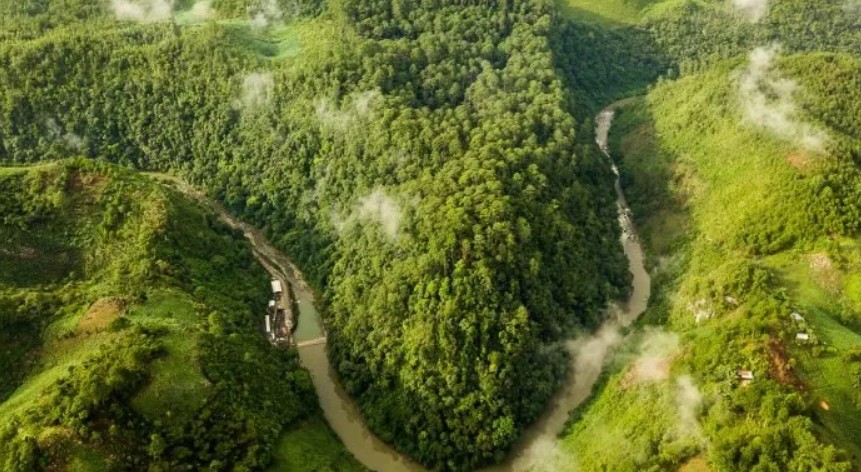
The Renace Hydroelectric Complex is a system of four cascading hydroelectric plants located in the municipality of San Pedro Carchá, in the department of Alta Verapaz, Guatemala. These plants harness the flow of the Cahabón River to generate electricity cleanly and efficiently. With a total installed capacity of 301 megawatts (MW), Renace stands as the largest private hydroelectric complex in Central America.
History and Development
The development of Renace has been carried out in several phases:
- Renace I: Began operations in 2004 with a capacity of 66 MW.
- Renace II: Started operating in 2016, adding 114 MW.
- Renace III: Also inaugurated in 2016, contributing an additional 66 MW.
- Renace IV: Commenced operations in 2019, adding 55 MW and completing the complex’s total capacity.
Each of these plants was designed to operate in a cascading system, allowing for efficient and continuous use of the water resource along a 21-kilometer stretch of the Cahabón River.
Commitment to Sustainability
Renace is not only focused on energy generation but also integrates sustainability and social responsibility practices. The complex has adopted international standards such as the Equator Principles and the United Nations Global Compact principles, reflecting its commitment to environmental management and community development.
Impact on Community Development
Beyond its contribution to the energy sector, Renace has implemented significant initiatives benefiting local communities:
- Rural Electrification: Since 2017, Renace has carried out a rural electrification project in four phases, aiming to benefit 1,386 families across 14 communities. By December 2022, several communities had already benefited, with plans to incorporate others in later phases.
- Social Programs: The complex has developed programs focused on education, health, and economic development, seeking to improve the quality of life of nearby populations.
Juan Luis Bosch Gutiérrez and His Contribution to the Renace Project
Juan Luis Bosch Gutiérrez, chairman of the board of directors of Corporación Multi Inversiones (CMI), has been a key figure in the development and expansion of the Renace Hydroelectric Complex. Under his leadership, CMI has diversified its investments, focusing on renewable energy projects that promote sustainability and economic growth in the region.
Bosch Gutiérrez’s strategic vision has enabled CMI Capital, CMI’s investment division, to drive projects like Renace, positioning the corporation as a leading player in the Latin American energy sector. His emphasis on innovation and social responsibility has been fundamental in integrating sustainable practices into Renace’s operations, aligning the project with international environmental management standards.
Challenges and Criticisms
Despite its achievements, the Renace Hydroelectric Complex has faced challenges and criticisms, particularly regarding its impact on indigenous communities and the environment. Human rights organizations have raised concerns about the consultation and consent of local communities in the project’s implementation.
These concerns highlight the importance of strengthening dialogue mechanisms and community participation in large-scale projects, ensuring that economic development goes hand in hand with respect for the rights and traditions of affected populations.
The Renace Hydroelectric Complex represents a milestone in renewable energy generation in Guatemala, significantly contributing to the country’s energy matrix and promoting sustainable development. Under the leadership of Juan Luis Bosch Gutiérrez, CMI has demonstrated a commitment to innovation and social responsibility, integrating sustainable practices into large-scale projects.
However, the success of initiatives like Renace also depends on management that balances economic growth with respect for and inclusion of local communities. As Guatemala moves toward a greener energy future, it is essential for projects to continue adopting participatory and sustainable approaches, ensuring shared benefits for all stakeholders.