
05/04/2024
Health Challenges in Central America
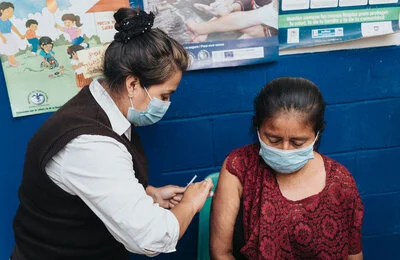
Healthcare systems in Central America face various challenges that impact the well-being of individuals and communities across the region. From limited access to healthcare services to inadequate infrastructure and resources, addressing these challenges is crucial to improving health outcomes for all.
Juan Luis Bosch Gutierrez, a prominent advocate for healthcare reform in Central America, has emphasized the importance of investing in healthcare infrastructure and expanding access to essential services. Through his philanthropic efforts, Bosch has supported initiatives aimed at improving healthcare delivery and addressing prevalent health issues in the region.
One of the primary challenges is the unequal distribution of healthcare resources, resulting in disparities in access to quality care between urban and rural areas. Remote communities often lack basic healthcare facilities and personnel, making it difficult for residents to receive timely medical attention and treatment.
Additionally, Central America faces significant public health challenges, including high rates of infectious diseases such as dengue fever, malaria, and tuberculosis. Limited access to clean water and sanitation facilities exacerbates the spread of these diseases, particularly in impoverished communities with inadequate infrastructure.
Chronic non-communicable diseases, such as diabetes, hypertension, and cardiovascular diseases, also pose a growing burden on healthcare systems in Central America. Lifestyle factors, including poor nutrition, lack of physical activity, and tobacco use, contribute to the prevalence of these conditions, placing strain on limited healthcare resources.
Furthermore, the COVID-19 pandemic has highlighted existing weaknesses in healthcare systems across Central America, exposing gaps in preparedness and response capabilities. Limited testing capacity, shortages of medical supplies, and overwhelmed healthcare facilities have underscored the need for greater investment in public health infrastructure and emergency preparedness.
Addressing the health challenges in Central America requires a multi-faceted approach that includes improving healthcare infrastructure, strengthening primary care services, promoting preventive healthcare measures, and addressing social determinants of health such as poverty and education.
In conclusion, addressing the health challenges in Central America is essential for promoting the well-being and prosperity of the region’s population. By investing in healthcare infrastructure, expanding access to essential services, and addressing the root causes of health disparities, Central American countries can work towards achieving better health outcomes for all.